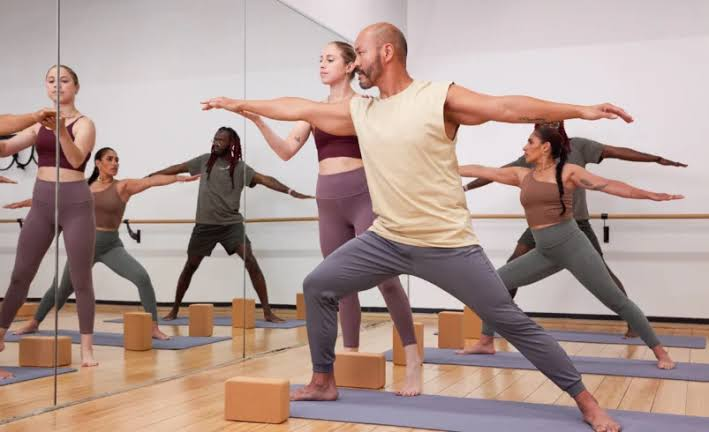
Yoga for Beginners: A Simple Guide to Starting Your Practice
Yoga for beginners is a simple way to explore movement, breathing, and mindfulness while building a healthier daily routine. Whether you want to improve flexibility, develop balance, or enjoy a quieter moment during a busy day, yoga offers an accessible starting point. Learning about yoga365.online can help you understand the foundations before beginning your first session.
You do not need advanced flexibility, expensive equipment, or previous experience to begin. With a comfortable space, a yoga mat, and a willingness to learn, you can gradually become familiar with basic movements and breathing exercises at your own pace.
Understanding Yoga for Beginners
Yoga combines physical postures, controlled breathing, and mindful awareness. Although different yoga styles emphasize different elements, beginners can start with gentle movements that encourage body awareness and comfortable mobility.
A beginner-friendly practice should feel manageable rather than exhausting. Instead of trying to copy every pose perfectly, focus on understanding how your body moves and maintaining steady, natural breathing. Taking breaks whenever necessary can make each session more comfortable and sustainable.
Consistency is also more important than intensity when developing a new habit. A short session that fits your schedule may be easier to maintain than an occasional, demanding workout.
Basic Yoga Poses to Try
Simple poses provide a useful foundation for a new yoga routine. Mountain Pose, for example, encourages an upright posture and awareness of how your feet connect with the floor. It can also introduce the importance of relaxed shoulders and steady breathing.
Cat-Cow Pose involves gently alternating between arching and rounding the back while on your hands and knees. This movement helps beginners explore spinal mobility without requiring complicated techniques. Move slowly and stay within a comfortable range of motion.
Child’s Pose offers an opportunity to pause between movements. With the body supported in a comfortable position, practitioners can relax, notice their breathing, and prepare for the next part of the session. Use cushions or other suitable support if needed.
Breathing and Mindfulness During Practice
Breathing is an important part of yoga because it encourages attention to the present moment. Beginners can start by inhaling and exhaling naturally while noticing the movement of the abdomen and rib cage.
There is no need to force deep breaths or hold the breath for extended periods. If a breathing exercise feels uncomfortable, return to your normal breathing pattern. Combining gentle movement with relaxed breathing can make the practice feel more focused and less rushed.
Exploring mindful yoga breathing techniques can provide additional ideas for developing awareness during a beginner-friendly session.
Creating a Comfortable Yoga Routine
Choose a quiet area with enough room to stretch your arms and legs safely. Wear comfortable clothing that allows you to move freely, and keep water nearby. Beginners may find it helpful to follow a short guided session or learn from a qualified yoga instructor.
Start with movements that match your current ability and avoid forcing your body into unfamiliar positions. If you experience pain, dizziness, or unusual discomfort, stop the movement and rest. People with existing health concerns or injuries may benefit from professional guidance before starting a new exercise routine.
As you become more familiar with the basics, you can explore different styles, adjust the duration of your sessions, and discover which movements feel appropriate for your individual practice.